

System
South Africa is a constitutional democracy, and the Constitution is the supreme law of the country. Constitutional democracy has replaced the Apartheid-era parliamentary sovereignty.
Head of state
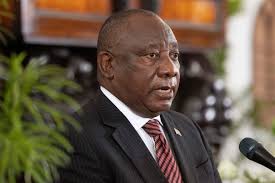
The National Assembly elects the President. In South Africa, the President is usually elected by the members of the majority political party in the National Assembly.
The President is both the ceremonial head of state under section 83 of the Constitution and the political head of executive authority under section 85.
Structure
South Africa has a three-tiered system of governance, at the national, provincial, and local levels, with a focus on cooperative governance. Each of these three distinct levels has its own legislative and executive authority.
The bicameral Parliament is the highest legislative body in South Africa and has powers to initiate, scrutinize and pass national legislation. Parliament is composed of two houses, the:
- National Assembly, which is directly elected through proportional representation.
- National Council of Provinces (NCOP), which is composed of delegates from the provincial legislatures. The main focus of the NCOP is to ensure that provincial interests are taken into account on a national level.
The judiciary has high court divisions and seats, and magistrate courts in the various provinces and districts of South Africa.